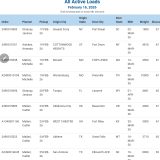
Deception load boards ran by Atlas van lines
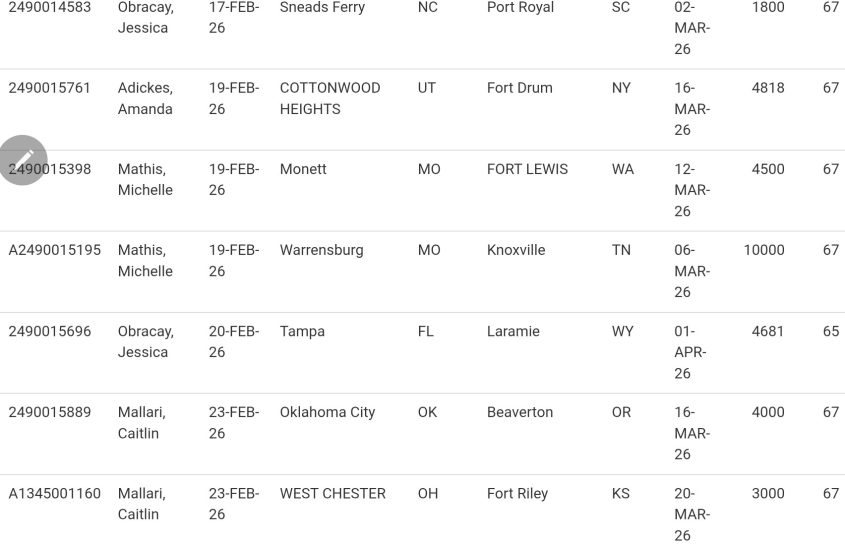
assignment times and recipients are often proprietary. Without access to this granular data, individual owner-operators are left to infer patterns from their own repeated negative experiences, which, while consistent, may not constitute irrefutable evidence in a formal complaint.
Regulatory and Industry Oversight
The freight and moving industry is subject to various regulations, primarily enforced by entities such as the Federal Motor Carrier Safety Administration (FMCSA) in the United States. However, the specific practices surrounding load board operations and fairness of load assignment may fall into a grey area, or require specific complaints to trigger investigation.
FMCSA Regulations
The FMCSA sets standards for safety, financial responsibility, and consumer protection in the trucking industry. While these regulations cover broad aspects of motor carrier operations, specific rules directly governing the fairness of internal load board operations for independent contractors are less common. This often means that complaints about unfair practices within a load board might need to be framed within broader claims of contractual breach or deceptive business practices.
Atlas vanlines is deceptive when it comes to there load board, not telling the driver what comes off the top or what the shipment pays and do not provide drivers with billed freight bills even if they have a interline agreement with another carrier
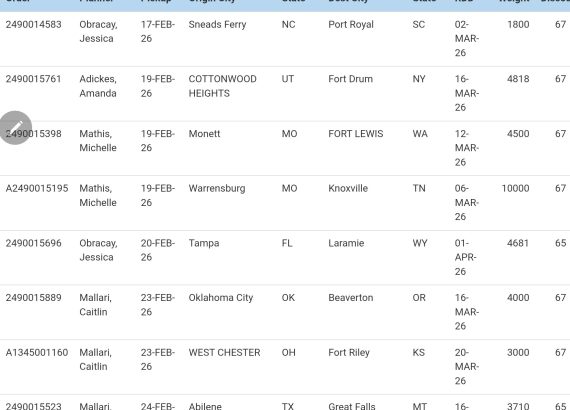
Atlas load board, high discount
The alleged deceptive practices have significant implications for the independent owner-operators and agents who rely on these systems for their livelihoods.
Financial Instability
Unpredictable access to loads, the chasing of ghost loads, and preferential assignments can lead to significant financial instability. Owner-operators bear the brunt of operational costs—fuel, maintenance, insurance, payments—regardless of whether they have a load. A system that hinders consistent load acquisition directly impacts their profitability and ability to sustain their business.
The Debt Burden
Many owner-operators
enter the industry with significant debt incurred from purchasing their trucks and trailers. A reliable flow of profitable loads is essential to service this debt. If the load board system is perceived as unreliable or unfair, it exacerbates financial pressures and increases the risk of business failure.
Erosion of Trust which may be a violation of Anti trust Laws ( sherman act 1975)
Repeated negative experiences contribute to a pervasive erosion of trust between independent operators and the larger van lines or brokers. When a platform designed to facilitate business transactions is suspected of operating with hidden agendas, it damages fundamental business relationships. Trust is the bedrock of long-term partnerships, and its absence can lead to carriers seeking alternative, more transparent opportunities elsewhere.
Psychological Impact
Beyond financial considerations, there is a psychological toll. The constant struggle to secure loads against perceived hidden obstacles can lead to stress, frustration, and a sense of disenfranchisement. Carriers may feel their dedication and investment are not reciprocated with fair opportunities.
Need for Transparency and Accountability
Addressing these allegations requires enhanced transparency and accountability within the load board system.
Demand for Clearer Rules
There is a clear demand from owner-operators for explicit rules regarding load assignment, including criteria for prioritization and clear communication when loads are no longer available. This shift from opaque internal processes to transparent, published guidelines would help level the playing field.
Auditable Systems
Developing auditable systems where load assignments can be tracked and verified would be a significant step toward improving trust. This might involve timestamping load postings, recording assignment decisions, and making aggregated, anonymized data available for independent review. Such systems would act as a digital ledger, ensuring integrity.