10 Hilarious CB Lingo Phrases That Will Have You Rolling with Laughter
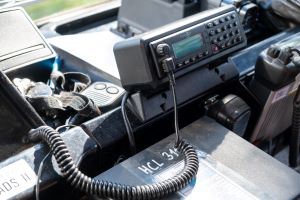
CB, or Citizens Band, radio became popular in the 1970s as a way for people to communicate with each other over short distances. The origins of CB lingo can be traced back to the trucking industry, where drivers used it as a way to communicate with each other on the road. This was especially important for truckers who spent long hours on the road and needed a way to stay connected with each other. The use of CB lingo allowed for quick and efficient communication, and it also added an element of fun and camaraderie to the job. As CB radio became more popular among the general public, the use of CB lingo spread beyond the trucking industry and became a part of popular culture.
The origins of CB lingo can also be traced back to the military, where radio operators used a similar form of shorthand to communicate with each other. This form of communication was essential for relaying important information quickly and efficiently, and it was later adopted by truckers and other CB radio users. Over time, CB lingo developed its own unique vocabulary and phrases, which added to the mystique and appeal of using CB radio as a means of communication.
Classic CB Lingo Phrases
One of the most iconic aspects of CB lingo is the unique phrases that were used by CB radio users. These phrases often had a playful and colorful quality to them, and they added a sense of fun and excitement to using CB radio. Some classic CB lingo phrases include “10-4” which means “message received,” “breaker, breaker” which is used to get someone’s attention, and “smokey” which refers to a police officer. Other popular phrases include “good buddy” for a friend or fellow CB user, “bear in the air” for a police helicopter, and “back door” for behind you or following you.
These classic CB lingo phrases became ingrained in popular culture and were even used by people who didn’t use CB radios themselves. They were featured in songs, movies, and TV shows, and they became synonymous with the image of truckers and other CB radio users. Even today, these classic CB lingo phrases are still recognized and used by some people, showing the lasting impact that CB lingo has had on popular culture.
Hilarious and Unique CB Lingo
In addition to the classic phrases, there are also many hilarious and unique CB lingo terms that have been used over the years. These terms often had a humorous or quirky quality to them, and they added to the charm and appeal of using CB radio. Some examples of hilarious and unique CB lingo include “granny lane” for the slow lane on the highway, “chicken coop” for a weigh station, and “alligator” for a blown tire on the road. Other unique terms include “yardstick” for a mile marker, “bubble gum machine” for a police car with flashing lights, and “big rig” for a large truck.
These hilarious and unique CB lingo terms added a sense of fun and creativity to using CB radio, and they helped to create a sense of community among CB radio users. They also added to the mystique and appeal of using CB radio as a means of communication, and they became an integral part of the culture surrounding CB lingo.
Famous CB Lingo from Movies and TV Shows
CB lingo has been featured in many movies and TV shows over the years, further cementing its place in popular culture. One of the most famous examples is the 1977 movie “Smokey and the Bandit,” which starred Burt Reynolds as a trucker who uses CB radio to outsmart the police. The movie featured many classic CB lingo phrases, such as “10-4” and “smokey,” and it helped to popularize CB lingo among a wider audience. Another famous example is the TV show “The Dukes of Hazzard,” which featured characters who used CB radios to communicate with each other while evading the law. The show helped to bring CB lingo into the mainstream and introduced it to a whole new generation of viewers.
CB lingo has also been featured in more recent movies and TV shows, such as “Convoy,” “Breaker! Breaker!,” and “Joy Ride.” These movies and TV shows have helped to keep CB lingo alive in popular culture and have introduced it to new audiences. The use of CB lingo in these movies and TV shows has helped to preserve its legacy and ensure that it remains a part of popular culture for years to come.
How CB Lingo Has Evolved Over Time
Over time, CB lingo has evolved and changed as new generations of users have adopted it. While many classic phrases are still in use today, there are also new terms that have been introduced as technology has advanced. For example, with the rise of cell phones and other forms of communication, some traditional CB lingo terms have fallen out of use or have been replaced by new ones. However, there are still many people who continue to use CB lingo as a way to communicate with each other, especially in the trucking industry.
In addition to technological advancements, changes in popular culture have also influenced the evolution of CB lingo. As new generations have embraced CB radio as a hobby or form of communication, they have brought their own unique perspectives and experiences to the use of CB lingo. This has led to the introduction of new phrases and terms that reflect the changing times and the diverse communities that use CB radio.
The Role of CB Lingo in Pop Culture
CB lingo has played an important role in pop culture, influencing music, movies, TV shows, and even fashion. Many songs from the 1970s and 1980s featured references to CB lingo, such as “Convoy” by C.W. McCall and “Teddy Bear” by Red Sovine. These songs helped to popularize CB lingo among a wider audience and introduced it to people who may not have been familiar with it before. In addition to music, CB lingo has also been featured in fashion trends, with clothing and accessories inspired by the trucker lifestyle becoming popular in certain circles.
CB lingo has also had an impact on language and communication more broadly. Many phrases that originated in CB lingo have become part of everyday speech, such as “10-4” and “good buddy.” These phrases are still recognized by many people today, even if they have never used a CB radio themselves. This shows the lasting influence that CB lingo has had on popular culture and language.
The Future of CB Lingo
While technology has changed the way we communicate, there is still a place for CB lingo in today’s world. Many truckers continue to use CB radios as a way to stay connected with each other on the road, and there are also hobbyists who use them for recreational purposes. As long as there are people who use CB radios, there will be a place for CB lingo in our culture.
In addition to traditional uses, there are also new opportunities for CB lingo to thrive in the digital age. With the rise of social media and online communities, there are new ways for people to connect with each other using CB lingo. There are also opportunities for creative expression through platforms such as podcasts or YouTube channels that focus on CB radio culture.
In conclusion, CB lingo has had a lasting impact on popular culture and language. While it may have evolved over time, it continues to be an important part of our cultural landscape. Whether it’s through classic phrases or new terms, there is still a place for CB lingo in today’s world. As long as there are people who use CB radios, there will be a place for this unique form of communication in our culture.